Can Pressure Washing Damage My Siding, Paint, or Windows?
Can pressure washing damage siding? Yes, when too much pressure is used. High pressure can crack vinyl, force water behind panels, strip paint and break window seals, which is why professionals use soft washing on these surfaces.
Yes, if the wrong pressure or method is used — but the damage risk comes almost entirely from technique, not from pressure washing as a category of service. High pressure applied directly to vinyl siding, painted wood, stucco, or windows can crack, strip, or force water into places it shouldn’t go. Low-pressure soft washing, which is the method we use on these surfaces, avoids essentially all of this risk while still fully cleaning the surface.
[Hero image: pressure-wash-walls.webp — soft wash siding cleaning technique Jacksonville FL]
How Damage Actually Happens
- Vinyl siding. High-pressure water can get up and under the edges and seams of vinyl panels, forcing water behind the siding into the wall cavity. Once there, that trapped moisture can promote mold growth you won’t see until it’s a bigger problem. Excessive pressure can also crack or warp panels directly, especially older or more brittle vinyl.
- Painted wood siding and trim. Paint bonds to a wood surface, and high pressure applied directly can peel or strip that bond, leaving bare wood exposed and creating a repainting job that wasn’t needed before the cleaning started.
- Stucco. Stucco is porous by design, which is part of what makes it vulnerable — high pressure can chip or etch the surface texture, and can drive water into the material itself where it’s much harder to dry out than a solid surface.
- Windows. Direct high-pressure contact can damage window seals, screens, or in rare cases crack glass, particularly older or already-compromised windows. The more common issue, though, is streaking — cleaning solution that dries on glass before being properly rinsed leaves visible marks.
- Older brick and mortar. Mortar is softer than the brick itself, and repeated high-pressure cleaning over time erodes mortar joints, which can eventually affect the structural integrity of the wall, not just its appearance.
Why Soft Washing Avoids This
Soft washing keeps pressure under roughly 500 PSI and relies on a biodegradable cleaning solution to actually break down algae, mold, and grime — the low pressure is just there to rinse the solution and loosened buildup away, not to blast the surface clean through force. This is the fundamental difference between soft washing and standard pressure washing: the chemical does the cleaning work; the water isn’t the primary tool.
That’s why we soft wash siding, stucco, painted surfaces, and roofs, while reserving higher pressure for hard, non-porous, ground-level surfaces like concrete and pavers that can actually handle it. → Full house washing details
How We Prevent This on Every Job
- We identify your home’s specific siding and trim material before starting, since the correct pressure and approach vary by material
- We confirm all windows are closed before beginning any exterior work
- We soft wash siding, stucco, painted surfaces, and roofing rather than defaulting to high pressure across the board
- We rinse windows thoroughly and promptly to prevent solution from drying and streaking
- We check for existing damage during our initial walk-through, so pre-existing issues aren’t mistaken for something we caused
Can Pressure Washing Damage Siding? How to Avoid It
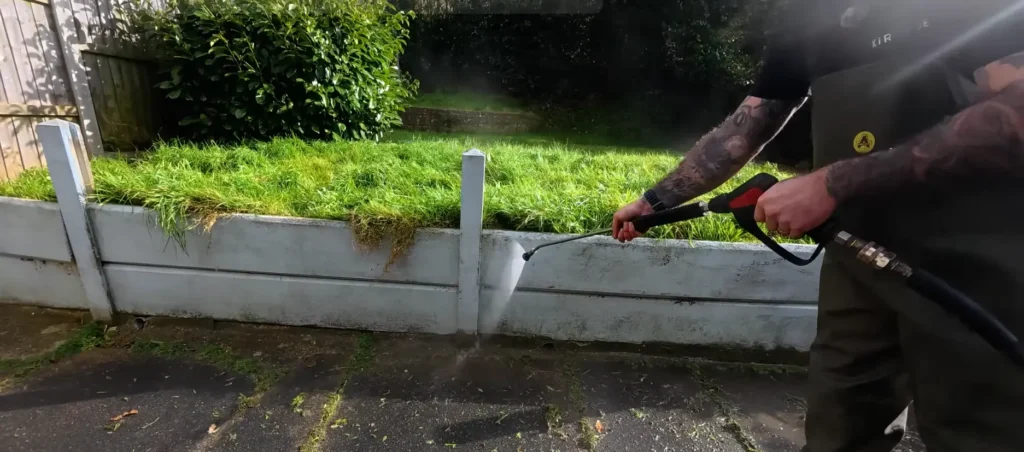
Customers often ask us: can pressure washing damage siding? Our answer is always the same: it can, so use low pressure and the right cleaning solution. Our house washing service is built around that method.
Water forced behind siding can lead to hidden moisture and mold, which the EPA warns grows wherever moisture is present. For more surfaces to avoid, see what not to pressure wash. Windows need gentle care too; see window cleaning.
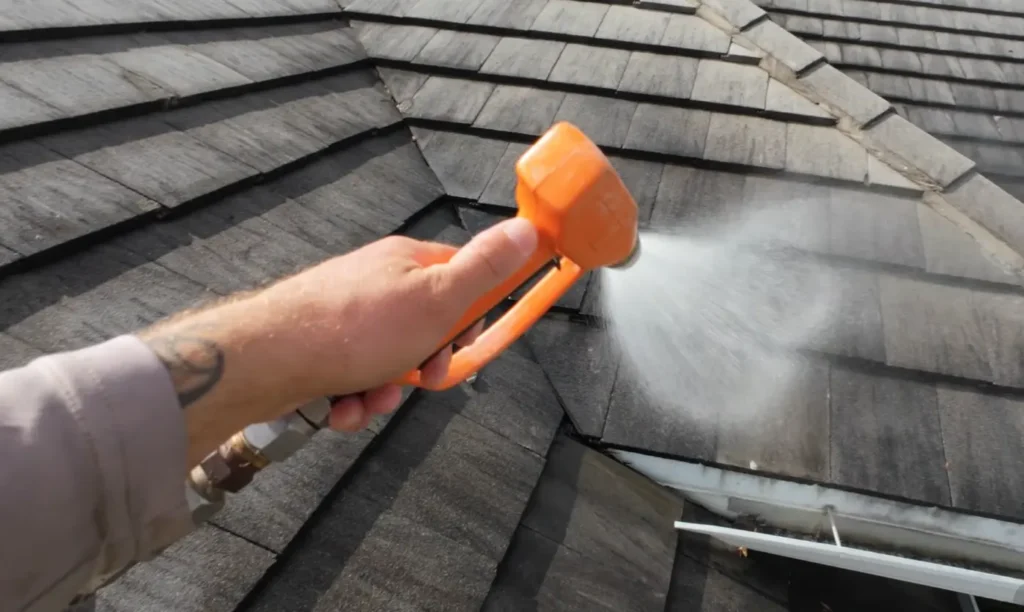
Signs Your Siding Was Damaged by Pressure
Cracked or loose vinyl panels, etched lines in wood, missing paint and water stains inside walls are common signs. So, can pressure washing damage siding permanently? It can, which is why repairs after a bad cleaning can cost far more than the cleaning itself.
How Soft Washing Protects Siding
Soft washing uses a cleaning solution to kill algae and mildew, then a low-pressure rinse to carry it away. Because there is no force driving water behind panels, the answer to the question “can pressure washing damage siding?” becomes no when the right method is used.
What to Do If Your Siding Was Damaged
If you suspect water got behind your siding, look for bubbling paint, soft spots or musty smells indoors. Have the area inspected before moisture leads to mold or rot. When customers ask us, “can pressure washing damage siding beyond repair?” the honest answer is that most damage can be fixed, but prevention is far cheaper.
Choosing the Right Company
Ask any company how they plan to clean your siding before you hire them. A professional should explain soft washing, describe how they protect windows and landscaping, and be able to show proof of insurance. If the plan is simply to use a high-pressure wand on everything, keep looking.
At Jacksonville CleanWash, every house wash uses low pressure and the right cleaning solution, so on your home the answer to “can pressure washing damage siding?” is no.
Common Questions About Siding and Pressure
Homeowners often ask us how much pressure is too much. For most siding, anything above a gentle rinse can cause problems, especially around seams, corners and windows. Another common question: can pressure washing damage siding that is already old or brittle? Older vinyl and weathered wood are more fragile, so soft washing is even more important.
We also hear from homeowners who rented a pressure washer and noticed streaks or damage afterward. If that happened to you, we can assess the siding, clean it properly and recommend repairs if needed.
Can Pressure Washing Damage Siding on Older Homes?
Older homes are especially vulnerable. Original wood siding, aging paint and older caulking can all fail under high pressure, so the answer to “can pressure washing damage siding on an older home?” is almost always yes if the wrong method is used. Soft washing is the safer choice.
Can Pressure Washing Damage Siding Warranties?
Some siding manufacturers advise against high-pressure cleaning, and damage caused by improper cleaning may not be covered. Before you rent a pressure washer, ask yourself: can pressure washing damage siding enough to affect your warranty? Checking your siding documentation first is a smart step.
When in doubt, choose a professional who uses soft washing and can explain exactly how your siding will be cleaned. It costs far less than repairing panels or repainting.
Still wondering, “can pressure washing damage siding on my home?” Call us. We will look at your siding and explain the safest way to clean it.
So, can pressure washing damage siding? Yes, but only when the wrong method is used. Soft washing gives you a clean home without that risk, which is why we use it on every house and why we recommend it to anyone asking “can pressure washing damage siding?”
Get a Second Opinion Before You Clean
If a company quotes you for high-pressure siding cleaning, it is worth asking how they will protect seams, windows and trim. We are happy to give a free second opinion and explain why soft washing is the safer choice. Our goal is simple: a clean home with no surprises. That is our honest answer to anyone who asks whether siding can be cleaned safely, and it is why so many Jacksonville homeowners trust us with their exteriors.
Frequently Asked Questions
The Right Method for Your Specific Surfaces
We’ll tell you honestly what your home needs — not just run one setting across everything.