Is Pressure Washing Safe for Plants & Landscaping?
Is pressure washing safe for plants? It is when the job is done carefully. Plants can be harmed by strong cleaning solutions, concentrated runoff and direct high-pressure spray, so we pre-wet, protect and rinse landscaping on every job.
Yes, when the landscaping is properly protected before cleaning solution is applied — the risk to plants comes from chemical exposure and direct high-pressure contact, both of which are preventable with the right prep work. We pre-rinse and cover or protect nearby plants and grass before any cleaning solution touches the ground, which is standard practice on every job, not an optional add-on.
[Hero image: home-pressure-washing.webp — landscaping protection during house washing Jacksonville FL]
What Actually Puts Plants at Risk
- Cleaning solution runoff. Soft washing solutions — including diluted sodium hypochlorite mixes commonly used to kill algae and mold — can damage or kill plants and grass if allowed to sit on foliage or soak into root zones without being rinsed away. This is the single biggest risk to landscaping during a pressure washing job, more than the water pressure itself.
- Direct high-pressure contact. Blasting plants directly with a pressure washer, even just water, can strip leaves, snap stems, or damage delicate landscaping — this is more of a concern for smaller ornamental plants than established shrubs or trees.
- Overspray drift. On denser properties with landscaping close to the house — common in older Jacksonville neighborhoods like Riverside, Springfield, and San Marco — overspray can reach nearby plants even when they’re not the direct target.
How We Protect Your Landscaping
- Pre-rinse before applying any cleaning solution. Wetting down nearby plants and grass with plain water first helps dilute and reduce the impact of any solution that does reach them.
- Physically cover or shield delicate or high-value plants when working in close proximity, particularly for ornamental or newly planted landscaping.
- Time our application to minimize dwell time near plants — the goal is enough contact time on the surface being cleaned to work effectively, without excess runoff sitting in planting beds longer than necessary.
- Rinse thoroughly after the solution has done its work, which also helps rinse any residual solution off nearby foliage.
- Recommend watering affected areas afterward if there’s any concern about residual exposure, especially during hot, dry stretches when plants are already under more stress.
What to Do Before We Arrive
A few things that help protect your landscaping even further:
- Water your plants and lawn the morning of service, if reasonable — well-hydrated plants generally tolerate incidental exposure better than drought-stressed ones
- Point out any particularly delicate, expensive, or recently planted landscaping so we can take extra care around it
- Let us know about any edible garden areas (vegetable beds, herb gardens) near the work area, since we may want to take additional precautions there specifically
Is Pressure Washing Safe for Plants? Our Protection Steps
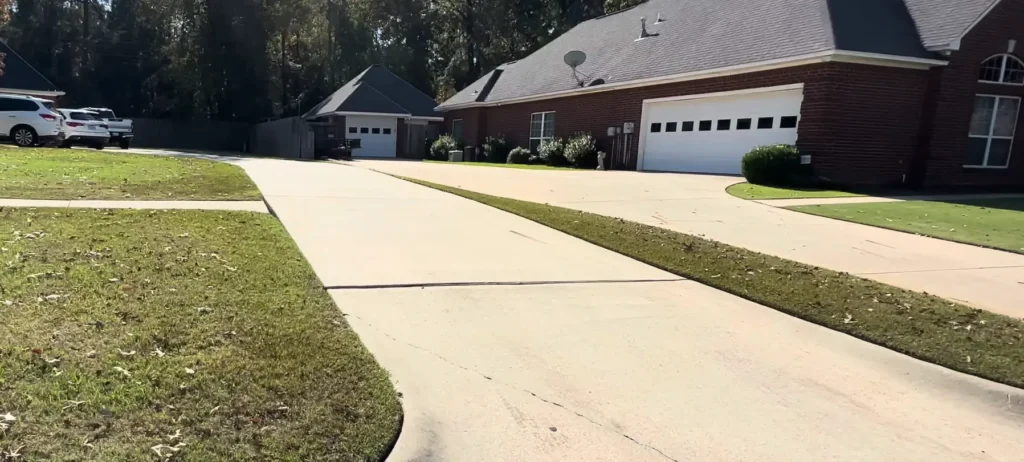
So, is pressure washing safe for plants near your home? With the right steps, yes. We soak plants before cleaning, cover delicate ones, use diluted solutions and rinse thoroughly afterward. Our house washing and roof cleaning services follow this routine.
Runoff matters beyond your yard as well. The EPA explains how polluted runoff reaches waterways, so we control wash water near storm drains. Learn more about what not to pressure wash or visit our FAQ.
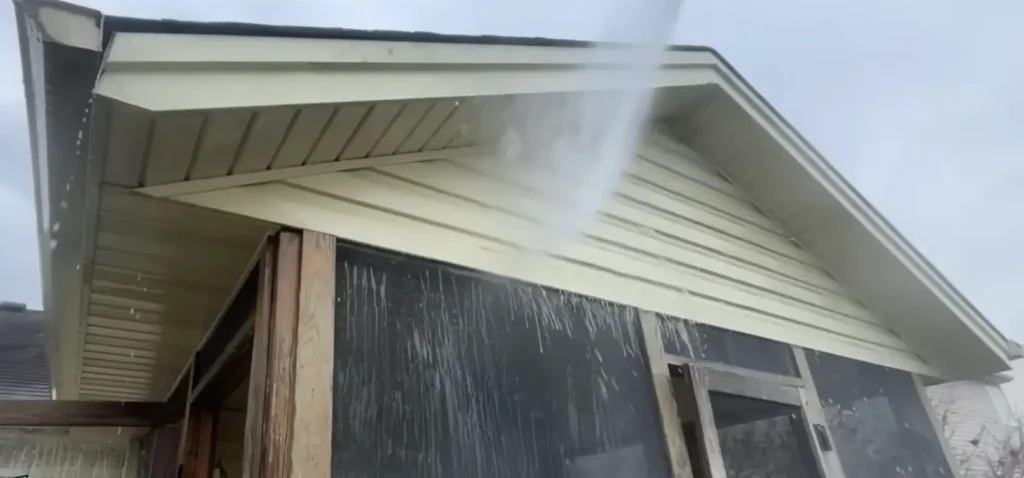
What Homeowners Can Do
Water your plants the day before cleaning, move potted plants away from the house and let us know about any delicate or prized landscaping. So, is pressure washing safe for plants when these steps are followed? In our experience, yes, and most plants show no effects at all.
If you notice any leaf discoloration after a cleaning, a thorough watering usually resolves it. We are always happy to answer the question “is pressure washing safe for plants?” for your specific yard.
Landscaping We Protect Most Often
Flower beds along the foundation, shrubs under windows, potted plants on patios and lawns next to driveways all need attention during cleaning. We pay special attention to delicate landscaping such as ferns, azaleas and vegetable gardens, which are more sensitive to cleaning solutions.
Mulch beds can also hold runoff, so we rinse them well. If you have irrigation, running it the evening before helps plants stay hydrated and resist any light overspray. These simple steps keep landscaping healthy while we clean the rest of your property.
Why Landscaping Safety Is Part of Every Job
A clean house is not worth damaged plants. That is why landscaping safety is built into our routine, not added on. From the first walk-around to the final rinse, our team keeps an eye on the landscaping around every surface we clean.
Cleaning Products and Your Landscaping
The cleaning solutions used in soft washing are diluted and applied carefully, then rinsed away. We avoid spraying directly onto plants, and we keep landscaping wet before and after cleaning so leaves and roots do not absorb the solution. For more information about safer cleaning products, homeowners can review resources from the EPA.
Lawns, Trees and Garden Beds
Grass along driveways and sidewalks is usually unaffected when it is rinsed well. Trees with roots near the foundation are protected the same way as shrubs. Vegetable and herb gardens get extra attention, and we can cover them or work around them entirely if you prefer.
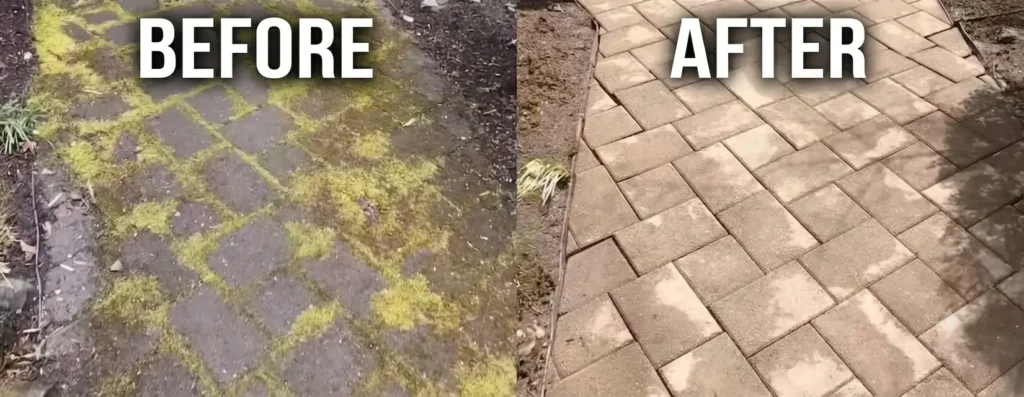
If you have questions about your landscaping before we start, just ask. We are happy to walk the property with you and point out anything we plan to cover or avoid.
After the Cleaning
Once the work is finished, we rinse all landscaping one last time and check beds, shrubs and lawn edges near the cleaned surfaces. If any plant looks stressed in the following days, extra watering usually helps it recover quickly. You can also reach out to us and we will come take a look.
Healthy landscaping and a clean exterior go together. A bright house, clean walkways and well cared for beds make the whole property look better, and our process is designed so you never have to choose between them.
Seasonal Tips for Florida Yards
In summer, schedule cleaning for the morning so plants are not stressed by midday heat. In spring, pollen and new growth are at their peak, so a light rinse of landscaping after cleaning is especially helpful. During dry spells, water deeply the night before to give plants extra protection.
Questions We Hear About Landscaping
Homeowners often ask whether they should cover plants with plastic. In most cases we avoid plastic in Florida heat because it can trap warmth and stress plants. Instead, we keep landscaping wet, rinse often and use breathable covers only where needed.
Another common question is whether runoff will harm the lawn. Diluted solutions that are rinsed thoroughly rarely affect grass, and we control where water flows so it does not pool in beds or near storm drains.
We know your landscaping represents years of work and investment. Protecting it is part of doing the job right, and it is something we take seriously on every visit, from small townhome yards to large properties with extensive gardens.
Have a garden you are especially proud of? Tell us before we start. We will plan the work around it, keep it well rinsed and make sure your landscaping looks just as good when we leave as it did when we arrived.
Our crews are trained to spot sensitive plants quickly and adjust their approach on the spot, so every yard gets the same careful treatment.
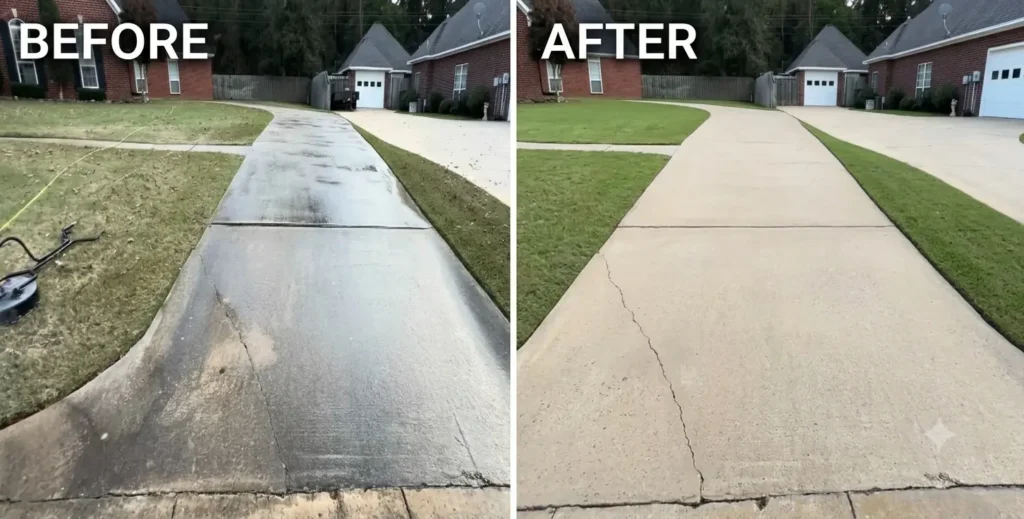
Frequently Asked Questions
Your Landscaping Investment, Protected
We treat your yard with the same care we bring to the surfaces we’re actually cleaning.